M5Stack has made three versions of the Cardputer in two years, and they look almost identical: the same card-sized body, the same 1.14 inch screen, the same 56 keys. The differences are inside, and a few of them decide which apps you can run. Here is what changed between the original Cardputer and the Cardputer ADV, what each costs, and which one to get in 2026.
The short answer
Get the Cardputer ADV. It is the only one M5Stack still sells, at $29.90, and the original Cardputer and its v1.1 refresh are both marked end of life. The ADV keeps the same chip, screen and keyboard layout but adds a headphone jack, a proper audio codec, a motion sensor and a 14-pin header for add-on caps like LoRa radios. A used original is still fine for Bruce, Launcher and games, but it cannot run Meshtastic or use the new caps.
- Cardputer vs Cardputer ADV: specs side by side
- What changed on the ADV
- Original vs v1.1: the quiet refresh
- Does firmware work on both?
- Cardputer ADV price and where to buy
- Which one should you get?
- FAQ
Cardputer vs Cardputer ADV: specs side by side
| Original Cardputer (and v1.1) | Cardputer ADV | |
|---|---|---|
| Released | October 2023 (v1.1: March 2025) | September 2025 |
| Status | End of life | On sale |
| Chip | ESP32-S3, dual-core 240 MHz, 8 MB flash, no PSRAM | Same |
| Screen | 1.14", 240 x 135 | Same |
| Keyboard | 56 keys, read through the chip's pins | 56 keys, own keyboard chip, lighter 160 gf press |
| Audio | 1 W speaker, mic | 1 W speaker, mic, ES8311 codec, 3.5 mm headphone jack |
| Motion sensor | None | BMI270 |
| Expansion | Grove, microSD, IR | Grove, microSD, IR, 14-pin header for caps |
| Battery | 120 mAh + 1,400 mAh in the base | 1,500 mAh (early units 1,750 mAh) |
| Size and weight | 84 x 54 x 19.7 mm, 92.3 g | 84 x 54 x 19.6 mm, 81 g |
| Price | $29.90 at launch, no longer sold | $29.90 |
Specs are from M5Stack's own pages for the original Cardputer and the Cardputer ADV. Prices checked October 2026.
What changed on the ADV
The ADV is not a faster Cardputer. The chip, the memory and the screen are exactly the same, so an app that ran well on the original runs the same on the ADV. What M5Stack changed is everything around the chip: how it listens to the keyboard, how it makes sound, what it can sense, and what you can plug into it.
Sound: a codec and a headphone jack
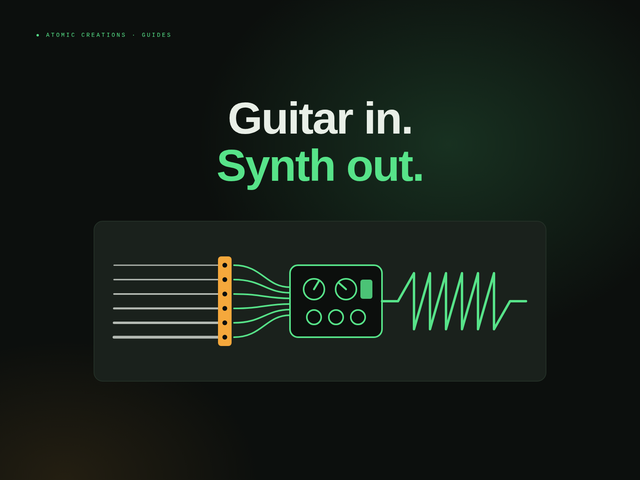
The original sends audio straight from the chip to a small amplifier and its speaker. The ADV adds an ES8311 audio codec, a dedicated chip that turns digital audio into clean analog sound and back, plus a 3.5 mm headphone jack. For music apps that is the biggest upgrade: you can plug in headphones or run a cable to a speaker or mixer. Both models have a microphone.
A motion sensor
The ADV has a BMI270 motion sensor, so apps can react when you tilt or shake the device. The original has none. Games, step counters and instruments that respond to movement need the ADV.
A header for add-on caps
The ADV has a 14-pin expansion header. M5Stack's caps plug into it: the Cap LoRa-1262 ($14.50) adds a LoRa radio and GPS for Meshtastic, and the Cap CC1101 & NFC ($18.95) adds sub-GHz radio and NFC for tools like Bruce. The original has no header, so none of these caps fit it. Our Cardputer ADV accessories guide covers every cap and what it does.
A new keyboard chip and a lighter press
The layout is the same 56 keys in four rows of 14. Underneath, the ADV hands the keyboard to its own I2C controller chip instead of scanning it through the main chip's pins. M5Stack also describes the ADV's keys as a lighter 160 gf press.
One battery instead of two
The original carries a tiny 120 mAh cell in the main unit plus a 1,400 mAh battery in its base. The ADV has one built-in cell. M5Stack listed it at 1,750 mAh at launch and changed its spec to 1,500 mAh in July 2026, so the total is about the same as before. The ADV is also about 11 grams lighter.
Original vs v1.1: the quiet refresh
In March 2025 M5Stack released a Cardputer v1.1. It moved from the StampS3 module to the StampS3A, which has a better antenna, and kept everything else: no headphone jack, no motion sensor, no cap header. For buying decisions, treat the original and v1.1 as the same machine. Both are now end of life, and M5Stack's store sends buyers to the ADV.
$5 off your first GLIDE
Plus first dibs on every new batch and every new build. Your code comes in the welcome email.
Does firmware work on both?
Mostly, yes. The big community projects now ship one file that runs on every Cardputer:
- Bruce uses one Cardputer build for the original and the ADV.
- bmorcelli's Launcher also ships a single file for both.
- UIFlow2, M5Stack's MicroPython platform, has separate builds for each model, so pick the right one in M5Burner.
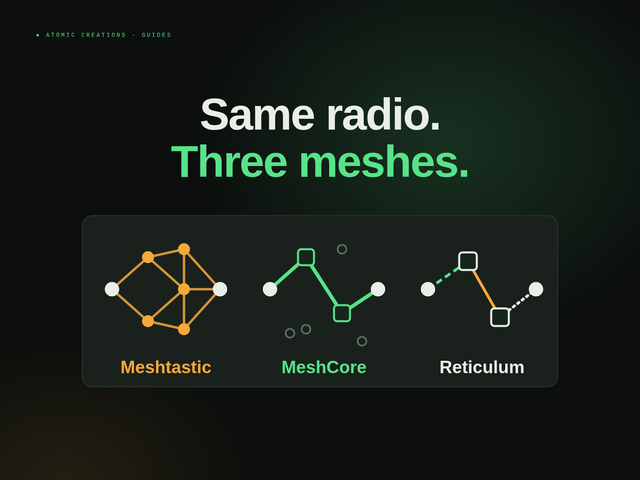
- Meshtastic has an official Cardputer ADV target and none for the original. In practice it means an ADV plus the LoRa cap.
Anything that uses the headphone jack, the motion sensor or a cap needs the ADV. For a full list of what to install, see the best Cardputer ADV firmware and apps.
Looking at the newer CardputerZero? It is a different kind of machine: a pocket Linux computer with a Raspberry Pi compute module, not an ESP32, and it cannot run any of the firmware above. We compare it in Cardputer ADV vs CardputerZero.
Cardputer ADV price and where to buy
The Cardputer ADV is $29.90 on M5Stack's store, the same price the original launched at in 2023. M5Stack also sells a Cardputer Mesh Kit for $48: an ADV with the LoRa cap attached and Meshtastic already installed. The original Cardputer and v1.1 are listed as end of life and are not for sale there. Prices checked October 2026; shipping is extra.
Which one should you get?
Cardputer ADV if you want
- A new device you can still buy
- Headphones or a cable to a speaker
- Meshtastic, LoRa or NFC caps
- Motion-controlled apps and games
- A lighter keyboard to type on
A used original if you want
- Bruce, Launcher and emulators only
- The cheapest way in, secondhand
- A spare to tinker with
- Nothing that needs a cap or headphones
If you already own an original and it does what you need, there is no reason to rush. If you are buying new, the choice is made for you: the ADV is the only Cardputer on sale, and it costs the same.
Why our synth is built on the ADV

GLIDE
Pocket synthWe make GLIDE, a pocket synthesizer, and the ADV's new parts are exactly what an instrument needs. The headphone jack lets you play quietly or plug into a speaker. The motion sensor lets you tilt GLIDE to morph from one sound into another, or add vibrato with a lean. Its keys are tuned so there is no wrong note, and every unit rolls its own sounds, so no two GLIDEs sound alike.
GLIDE comes ready to play: every one is built and checked by hand with a microSD sound library loaded. Get GLIDE ready to play, or try it right below, in your browser.
FAQ
Is the original Cardputer discontinued?
Yes. M5Stack lists both the original Cardputer and the v1.1 as end of life, and its store points buyers to the Cardputer ADV instead.
How much does the Cardputer ADV cost?
$29.90 on M5Stack's store as of October 2026, the same price the original launched at. The Cardputer Mesh Kit, an ADV with a LoRa cap and Meshtastic installed, is $48.
Is the Cardputer ADV faster than the original?
No. Both use the same ESP32-S3 chip with 8 MB of flash and no PSRAM. The ADV adds a headphone jack, an audio codec, a motion sensor, a cap header and a new keyboard chip, but apps run at the same speed.
Does Bruce work on the Cardputer ADV?
Yes. Bruce ships one Cardputer build that runs on the original and the ADV, and so does bmorcelli's Launcher.
Can I use the LoRa cap on the original Cardputer?
No. The caps plug into the 14-pin header that only the ADV has. Meshtastic's official Cardputer build is also ADV only.
Does the Cardputer ADV have a bigger battery?
About the same. The original has 120 mAh in the main unit plus 1,400 mAh in its base. The ADV has a single cell that M5Stack now lists at 1,500 mAh; early units were listed at 1,750 mAh.
From the lab
$5 off your first GLIDE
Plus first dibs on every new batch and every new build. Your code comes in the welcome email.
Useful? Pass it on
← Browse all guides